Stainless Steel Tactile Indicators
Our integrated tactile system, ranging from floor to stair tactiles, is suitable in any environment. We are a supplier and installation expert involved in countless projects in Singapore and around the world.
Stainless steel tactile ‘studs’ or ‘strips’ are commonly used by transportation authorities at rail transit stations, and by both commercial and private building owners to provide directional guidance and hazard warning. They are detectable underfoot or with a long cane.
Studs are also used to deter unwanted surface damage caused by bikes, rollerblades and skateboards.
Improve safety and accessibility with our comprehensive range of stainless steel tactile indicators. Our tactile indicators have passed the slip test in both dry and wet conditions.
STUDS – 35mm Diameter
The circular ‘stud’ pattern indicates a potential hazard or change of direction or location of amenities such as lifts.
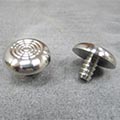
Our tactile indicator stainless steel studs are available in 4 surfaces:

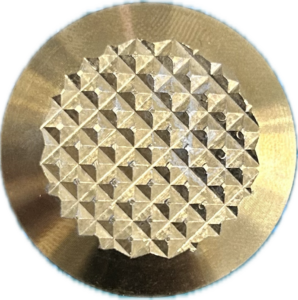
KD-35
Diamond Surface Stud

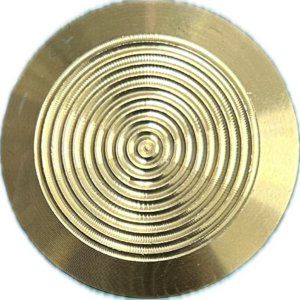
KC-36
Circular Surface Stud

KF-35
Flat Surface Stud

KC-35
Circular Surface Stud
COLOURED STUDS – 35mm Diameter
Our range has expanded to include coloured studs:

KR-36 B
Black Infill
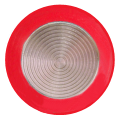
KR-36 R
Red Stud Tactile Indicator

KR-35 B
Black Diamond Stud Tactile Indicator
COLOURED INFILL STUDS – 35mm Diameter
We also offer tactile indicators with infills in black, grey, yellow and red.
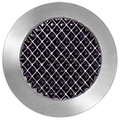
KDEC 35 B
Stud Diamond, Black
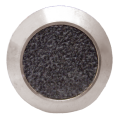
KC-BI
Black Infill Tactile Indicator
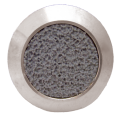
KC-GI
Grey Infill Tactile Indicator

KC-YI
Yellow Infill Tactile Indicator

KC-RI
Decision Stud, Red

KDPP 35B
Stud Diamond PP in Black

KDPP 35 Y
Stud Diamond PP in Yellow

KCPP 36 B
Stud Circular PP in Black

KCPP 36 Y
Stud Circular PP in Yellow

KCR 35 B
Stud Circular Carborundum, Black

KCR 35 Y
Stud Carborundum, Yellow
STRIPS – 35 x 280mm
Directional – the elongated ‘strip’ pattern indicates the direction of travel to be taken.
Our tactile indicator strips are available in these designs:

KD-285
Directional Strip Diamond Surface

KL-286
Directional Strip Line Surface
COLOURED INFILL STRIPS
These strip tactile indicators are also available with infills in black, yellow and red.

Directional Strip Black

Directional Strip Yellow

KI 3M35 Black
Stainless Steel Strip with 3M Infill

KI 3M35 Yellow
Stainless Steel Strip with 3M Infill

KDPP 285 Black
Diamond PP Strip

KDPP 285 Yellow
Diamond PP Strip

KCR 285 B
Carborundum Infill Black Strip

KCR 285 Y
Carborundum Infill Yellow Strip
STUDS – 22mm Diameter
This small size helps reduce obstruction for wheelchair users and elderly pedestrians.
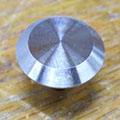
KF 22
Flat Surface